The Summer I Turned Pretty Collection 3 Books Set by Jenny Han (The Summer I Turned Pretty , It’s Not Summer Without You , We’ll Always Have Summer)
2 Books Collection Set by Randall Munroe [What If?: Serious Scientific Answers to Absurd Hypothetical Questions & What If? 2: Additional Serious Scientific Answers to Absurd Hypothetical Questions
Evie Woods 3 Books Collection Set (Mysterious Bakery on Rue de Paris, The Lost Bookshop and The Story Collector)
By Dav Pilkey 2 Bestselling Graphic Novel series collection [Dog Man Books Series (1-10) and Cat Kid Comic Club Series (1-3) ]
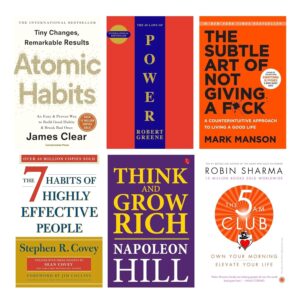
Self Help Books Collection (Set of 6) ? Atomic Habits, The 48 Laws of Power, The Subtle Art of Not Giving a F*ck, The 7 Habits of Highly Effective People, Think and Grow Rich, The 5AM Club
The Landon series by Anna Todd [Nothing More and Nothing Less]
- Financial innovation with kalshi trading and regulatory impacts explained
- Understanding the Mechanics of Kalshi Trading
- The Role of Market Makers and Liquidity
- Regulatory Landscape and Compliance
- The CFTC's Role and Ongoing Debates
- Potential Benefits and Drawbacks for Traders
- Risk Management Strategies in Event-Based Trading
- Beyond the Platform: Broader Implications for Financial Markets
- The Future of Predictive Markets and Regulatory Evolution
Financial innovation with kalshi trading and regulatory impacts explained
The financial landscape is constantly evolving, and with it, the methods people employ to engage with markets. One increasingly prominent platform attracting attention is , a regulated exchange that allows users to trade on the outcomes of future events. This approach, known as event-based trading, presents a unique alternative to traditional financial instruments, offering potential opportunities and simultaneously raising important regulatory considerations. It’s a space where predictions become tradable assets, and where foresight, analysis, and a bit of risk tolerance can converge.
Unlike conventional stock or commodity exchanges, kalshi focuses on the probabilities surrounding events like political elections, economic reports, or even natural disasters. This innovative method fundamentally shifts the focus from the underlying asset to the likelihood of an event’s occurrence. This is particularly appealing to those interested in hedging risk or expressing views on future occurrences without directly investing in the affected assets. The system relies on a decentralized method of price discovery, driven by individual traders' beliefs and interpretations of information.
Understanding the Mechanics of Kalshi Trading
At its core, kalshi operates on the principle of contracts representing the probability of a yes/no outcome. Participants buy or sell these contracts, effectively wagering on whether an event will happen or not. The price of a contract fluctuates based on supply and demand, reflecting the collective wisdom of the market. As an event draws nearer, and more information becomes available, the contracts' prices converge towards either $1.00 (if the event is certain to occur) or $0.00 (if it’s considered impossible). The potential profit or loss is determined by the difference between the purchase and sale price, similar to traditional trading but based on probabilistic outcomes. This dynamic creates a fascinating interplay between individual perspectives and market consensus.
The Role of Market Makers and Liquidity
Ensuring a functional market necessitates sufficient liquidity – the ability to easily buy and sell contracts without significant price impact. Kalshi achieves this through designated market makers, who are incentivized to provide continuous bid and ask prices for each contract. These market makers play a crucial role in reducing volatility and maintaining orderly trading conditions. They effectively absorb some of the risk associated with trading, providing a counterparty for those seeking to enter or exit positions. Without active market makers, the spread between buying and selling prices could widen, making it more challenging for retail traders to participate effectively.
| Political Events | 2024 US Presidential Election Winner | $0.10 – $0.90 | High |
| Economic Indicators | October 2024 US Unemployment Rate | $0.20 – $0.80 | Medium |
| Natural Disasters | Will a Category 3 or higher Hurricane make landfall in Florida in 2024? | $0.05 – $0.75 | Low-Medium |
| Sporting Events | Will the Los Angeles Lakers win the 2025 NBA Championship? | $0.15 – $0.65 | Medium |
The table above illustrates the diverse range of events available for trading on platforms like kalshi, along with indicative price ranges and trading volumes. These figures are subject to change based on market conditions and the proximity to the event’s resolution date. Understanding these dynamics is vital for any prospective trader.
Regulatory Landscape and Compliance
The innovative nature of kalshi’s event-based trading has naturally attracted the attention of regulatory bodies. Unlike traditional exchanges dealing with established assets, kalshi operates in a grey area, prompting scrutiny from agencies like the Commodity Futures Trading Commission (CFTC). The primary concern revolves around whether these contracts should be classified as securities, commodities, or a novel asset class altogether. Determining the appropriate regulatory framework is crucial to foster innovation while protecting investors and maintaining market integrity. The CFTC has granted kalshi a Designated Contract Market (DCM) license, allowing it to operate legally within specific parameters, though ongoing oversight and potential adjustments to regulations remain a continuous process.
The CFTC's Role and Ongoing Debates
The CFTC’s decision to grant kalshi a DCM license was not without controversy. Critics argue that event-based trading lacks the fundamental characteristics of traditional commodity futures, raising concerns about potential manipulation and the inherent speculation involved. Supporters, however, contend that it provides a legitimate avenue for price discovery and risk management. The debate centers on whether these contracts serve a genuine economic purpose – beyond simply wagering on outcomes – and whether the CFTC’s regulatory framework adequately addresses the unique risks associated with this emerging market. Continued dialogue between kalshi, regulatory authorities, and industry stakeholders is essential to refine the rules and ensure a sustainable future for event-based trading.
- Transparency: Kalshi provides a transparent trading environment with publicly available order books and market data.
- Liquidity: Designated market makers and active participation contribute to reasonable liquidity.
- Regulation: Operating under a CFTC license signifies a level of regulatory oversight.
- Accessibility: The platform is generally accessible to a wider range of investors compared to some traditional financial markets.
- Novelty: Offers a unique trading experience focused on probabilistic outcomes rather than underlying assets.
These features collectively contribute to the appeal of kalshi as a platform for both experienced traders and those seeking alternative investment opportunities. However, it's crucial for participants to understand the inherent risks and regulatory considerations involved.
Potential Benefits and Drawbacks for Traders
Trading on kalshi offers several potential advantages. Firstly, it provides a unique means of expressing views on future events, allowing traders to profit from their informed predictions. Secondly, it can serve as a hedging tool, enabling individuals or businesses to mitigate risks associated with uncertain outcomes. For example, a company heavily reliant on a specific economic indicator could use kalshi to hedge against unfavorable results. Thirdly, the platform's accessibility lowers the barriers to entry for retail investors who may not have access to traditional financial instruments. However, it’s essential to acknowledge the potential drawbacks, including the inherent volatility and the risk of losing capital if predictions prove inaccurate.
Risk Management Strategies in Event-Based Trading
Effective risk management is paramount for success in event-based trading. Diversification is key, avoiding overexposure to any single event or category. Traders should also carefully assess their risk tolerance and position size accordingly. Utilizing stop-loss orders can help limit potential losses, while setting realistic profit targets can ensure that gains are secured when opportunities arise. Furthermore, it’s vital to stay informed about the events being traded, understanding the factors that could influence their outcome and adjusting positions based on new information. Remember that event-based trading involves a degree of speculation, and losses are an inherent part of the process.
- Research the Event: Thoroughly understand the factors influencing the event's outcome.
- Assess Risk Tolerance: Determine how much capital you're willing to risk.
- Diversify Positions: Don't put all your eggs in one basket.
- Use Stop-Loss Orders: Limit potential losses.
- Stay Informed: Monitor news and developments related to the event.
Following these steps can help traders navigate the complexities of event-based trading and improve their chances of success. Continuous learning and adaptation are also critical, as market conditions and the nature of tradable events are constantly evolving.
Beyond the Platform: Broader Implications for Financial Markets
The emergence of platforms like kalshi represents a broader trend towards the democratization of financial markets and the increasing use of predictive analytics. By tapping into the collective intelligence of traders, these platforms offer a unique mechanism for price discovery and risk assessment. This has potential implications for various industries, including political forecasting, insurance, and corporate planning. Imagine a world where businesses can accurately gauge the likelihood of regulatory changes or consumer trends, allowing them to make more informed strategic decisions. The success of kalshi and similar platforms could pave the way for even more innovative financial instruments and trading strategies in the future.
The Future of Predictive Markets and Regulatory Evolution
The trajectory of platforms like kalshi is inextricably linked to the ongoing evolution of regulatory frameworks. As these markets mature and gain broader acceptance, it’s likely that regulators will continue to refine the rules to address emerging challenges and ensure market stability. Furthermore, advancements in artificial intelligence and machine learning could potentially enhance the predictive capabilities of these platforms, leading to more accurate price discovery and more sophisticated trading strategies. The integration of blockchain technology could also introduce greater transparency and security. The key will be to strike a balance between fostering innovation and protecting investors, creating a vibrant and sustainable ecosystem for event-based trading. The potential for these platforms to offer insights into future events and refine risk assessment deserves continued exploration and adaptation.
Recent Posts
- Genuine opportunities with n1bet redefine modern online gaming experiences
- Effektive Lösungen für Software mit winspirit und langfristigen Erfolg sichern
- Speelcomfort en winstkansen bij lizaro casino voor een unieke ervaring
- Mino Casino Deutschland – Willkommensbonus und aktuelle Aktionen
- Lanista casinò Italia – giochi, bonus e metodi di pagamento


![By Dav Pilkey 2 Bestselling Graphic Novel series collection [Dog Man Books Series (1-10) and Cat Kid Comic Club Series (1-3) ]](https://bookselaunch.com/wp-content/uploads/2026/06/Untitled-design-17-300x300.png)

![The Landon series by Anna Todd [Nothing More and Nothing Less]](https://bookselaunch.com/wp-content/uploads/2026/06/Untitled-design-28-300x300.png)